Alpha Hydroxy Acid Peels
Alpha hydroxy acid (AHA) peels can be useful, but only when chosen and applied correctly. The type of peel, the concentration of the solution, and the condition of your skin all influence the outcome. If you are considering this treatment, it is important to understand how AHA peels work, what results may occur, and why they should not be attempted without professional guidance. Safe outcomes depend on clear information and a proper medical consultation.
AHA peels are often described as a method of refreshing the skin in a relatively short period of time. They work by removing layers of old or damaged cells, which can lead to smoother texture and a more even appearance.
Many patients pursue them to address early lines, changes in skin tone, or surface irregularities that topical products may not manage effectively.
Different formulations are available, and each has a slightly different focus, ranging from reducing acne-related marks to improving hydration or brightness.
What are Alpha Hydroxy Acid (AHA) Peels?
Alpha hydroxy acid peels are procedures that use naturally occurring acids to encourage the removal of the outermost layers of the skin. They are applied to support a smoother surface texture, to reduce very fine lines, and to improve uneven tone or areas of pigmentation.
Published research notes their utility in addressing conditions such as acne, photoageing, and hyperpigmentation, provided that recommended concentrations and pH ranges are respected.
The most common alpha hydroxy acids are glycolic acid, lactic acid, and mandelic acid. Glycolic acid comes from sugar cane, lactic acid from milk, and mandelic acid from bitter almonds. Mandelic acid has larger molecules than glycolic or lactic acid, so it moves into the skin more slowly and is often less irritating.
Because it is also oil-soluble, mandelic acid can reach into pores easily. The type and strength of acid should be matched to skin type, sensitivity, and treatment goals, with guidance from a qualified doctor.
How does an AHA Peel work?
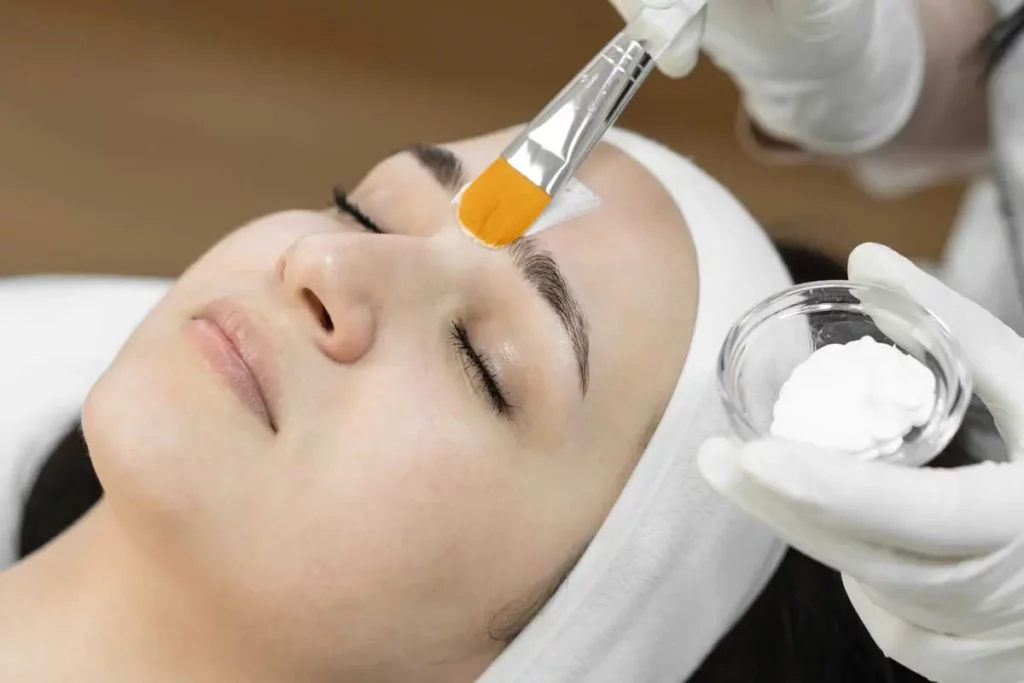
Alpha hydroxy acid peels influence the skin through both surface and deeper effects. At the outer layer, these acids loosen the bonds that hold dead skin cells together, which promotes exfoliation. This helps create a smoother surface and a more uniform texture. In the deeper layers of the skin, AHAs can trigger new collagen, boost natural hydration, and help maintain the skin’s elasticity. These effects may improve firmness and make fine lines less noticeable.
When extra pigment builds up near the surface of the skin, these peels can help make the dark patches less visible. Certain alpha hydroxy acids may also affect how pigment develops in deeper layers, which can improve uneven skin tone. Most peels prepared for cosmetic use have an acidity level (pH) of about 3.0 or higher, with strengths adjusted depending on the type of acid used. For instance, lactic acid peels are often prepared at around 30 percent concentration.
When patients are carefully screened for issues such as frequent cold sores and when proper methods are followed, these treatments are generally considered low risk. Stronger solutions should only be used in clinical settings by experienced medical professionals.
Benefits of AHA Peels
The main benefit of an AHA peel is controlled exfoliation of the skin surface. By removing dead cells, the procedure can improve skin smoothness and help manage concerns such as dryness, uneven tone, and mild acne-prone skin. Alpha hydroxy acids such as glycolic and lactic acid break down the bonds between cells, which encourages renewal of the epidermis. Some formulations also contain beta hydroxy acids like salicylic acid, which penetrate pores more deeply and assist with reducing congestion and breakouts.
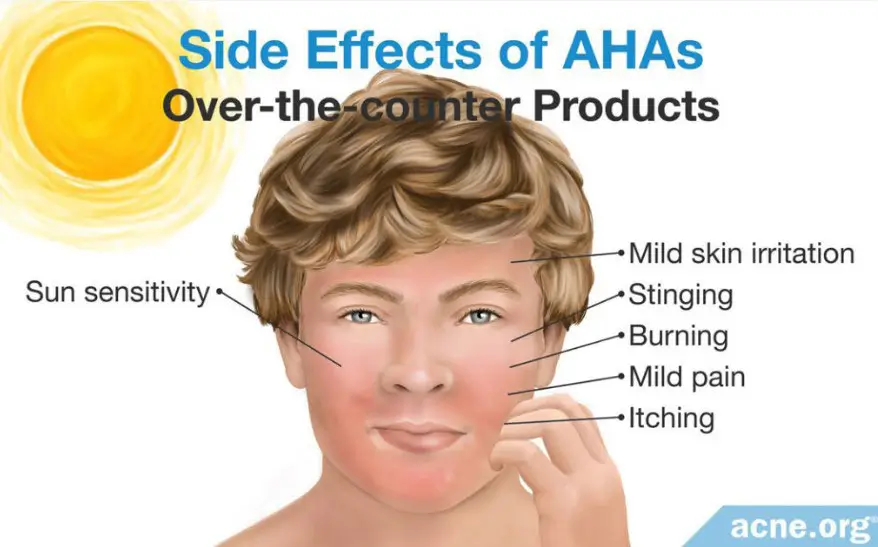
Additional effects include improvements in hydration and support for the skin barrier, making certain formulations suitable for individuals with dry or sensitive skin. Regularly scheduled treatments may help reduce fine lines, wrinkles, and areas of hyperpigmentation, though outcomes vary depending on individual responses and treatment. Because alpha hydroxy acid peels can make the skin more sensitive to sunlight, the use of appropriate sun protection is recommended.
- Exfoliation of dead surface cells with smoother skin texture
- Reduction of mild acne and clogged pores
- Support for skin hydration and barrier function
- Improvement in fine lines and early wrinkles
- More even skin tone with reduced visible pigmentation
- Increased collagen production that contributes to firmness
How to choose the right AHA Peel for your skin type
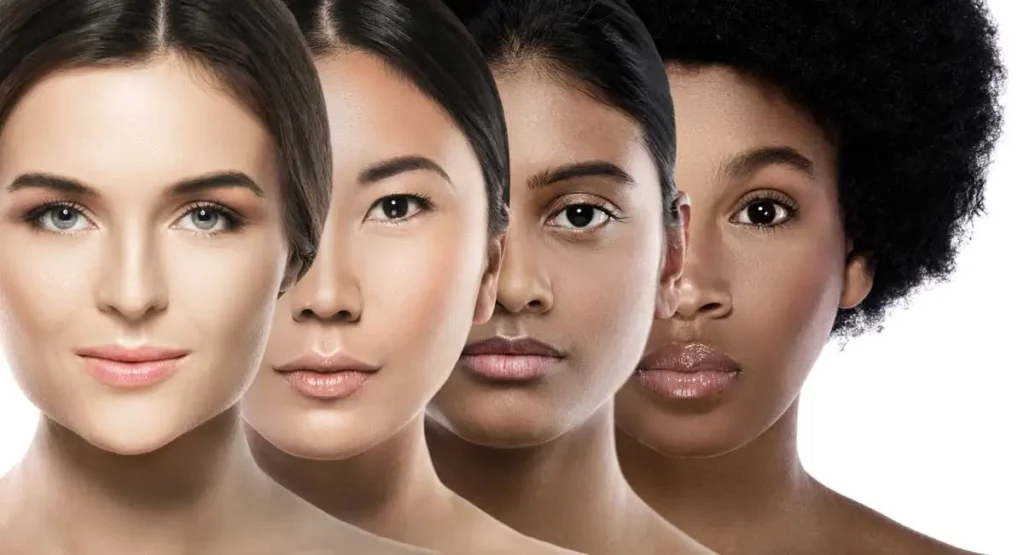
Selecting an appropriate alpha hydroxy acid peel depends on skin type, sensitivity, and treatment goals. Different acids act in distinct ways. Some penetrate more deeply into the skin, while others act primarily at the surface and are considered gentler. Choosing an unsuitable formulation or concentration can cause unnecessary irritation, which is why professional assessment is important.
For oily and acne-prone skin
For individuals with oily or acne-prone skin, glycolic acid peels are frequently used. Glycolic acid has a smaller molecular size, which allows it to penetrate into pores and support the removal of oil and dead skin cells.
This process can reduce congestion and improve the overall skin renewal cycle. Salicylic acid, a beta hydroxy acid, is also sometimes included in formulations for acne-related concerns. Strong concentrations should be avoided outside clinical supervision, since irritation can occur if the solution is too strong.
For dry and sensitive skin
For patients with dry or sensitive skin, lactic acid peels are often considered more appropriate. Lactic acid is a gentler alpha hydroxy acid that both hydrates and exfoliates. It does not penetrate as deeply as glycolic acid, which reduces the likelihood of irritation.
Hydrating ingredients such as hyaluronic acid are sometimes combined with lactic acid to support the skin barrier and minimise dryness. Higher concentrations can increase sensitivity, so professional guidance is important when planning treatment.
For hyperpigmentation and dark spots
Alpha hydroxy acid peels may be used in the management of hyperpigmentation and related conditions. Glycolic acid peels are often selected for this purpose, as they encourage faster cell turnover and can help reduce the appearance of darker areas on the skin. Additional AHAs such as citric acid and malic acid may be included in some preparations to support brightening and improve overall tone.
These treatments can also assist in addressing pigmentation linked to sun exposure or conditions such as melasma. Because AHA use increases sun sensitivity, daily sunscreen is considered essential during treatment periods.
For ageing and fine lines
For ageing skin, glycolic and lactic acid peels are commonly applied. Glycolic acid peels promote cell turnover and contribute to a reduction in the appearance of fine lines, while lactic acid supports hydration and elasticity. Tartaric acid has also been studied for its ability to support collagen formation. Regular treatment under medical supervision may help maintain skin firmness and texture, although excessive use can lead to irritation or dryness.
Professional vs at-home AHA peels
A distinction exists between professional chemical peels and those designed for at-home use. Both rely on alpha hydroxy acids to remove surface layers of skin and improve texture, but the concentrations and outcomes differ.
Professional AHA peels
In clinical practice, alpha hydroxy acid peels are performed by dermatologists or other licensed health practitioners. Professional treatments often use higher concentrations of glycolic, lactic, or mandelic acid, sometimes combined with beta hydroxy acids such as salicylic acid for acne-prone skin.
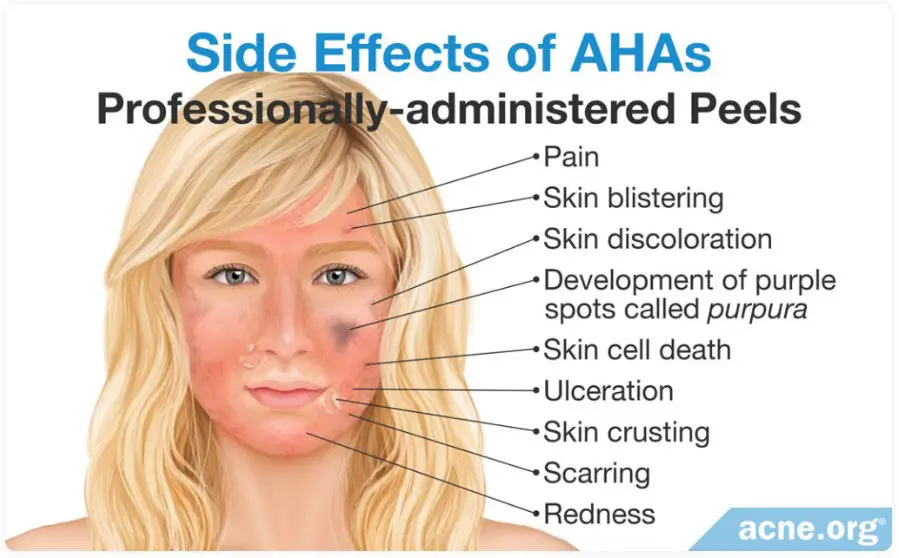
These stronger formulations allow deeper penetration, which can address more persistent issues such as acne scars, marked pigmentation, or early wrinkles. Because of their strength, professional peels can also cause temporary redness, peeling, or sensitivity, and require careful patient screening and monitoring.
At-home AHA peels
At-home AHA peels are formulated at lower concentrations, such as AHA 30, to minimise potential irritation. These chemical exfoliants used in at-home treatments help to exfoliate the skin gradually, improving its texture over time. Common ingredients include glycolic acid, lactic acid, and citric acid, which work to slough off the top layer of skin and enhance overall radiance. While at-home AHA peels can effectively address mild skin concerns, such as dullness and uneven tone, they require consistent use. They are used to exfoliate your skin gently without excessive peeling. However, users should be cautious when using an AHA, as peels used on wet skin can increase irritation. Additionally, it is crucial to follow with hyaluronic acid or other hydrating skin care products to maintain balance.
Key Considerations
- Type of AHA. Different types of acid, such as glycolic acid and lactic acid, provide varying levels of exfoliation.
- Effects on the skin. Professional peels penetrate deeper, whereas at-home peels work gradually.
- Used to treat skin conditions. Higher-strength hydroxy acid treatments can address pigmentation and wrinkles more effectively.
- Skin gets used to peels over time, so adjusting frequency and concentration is essential.
“Alpha Hydroxy Acid (AHA) Peels are classified as cosmetic medical treatments in Australia. For your safety, the CPCA advises that you undergo a face-to-face consultation with a doctor appropriately trained in cosmetic medicine, such as a CPCA member, before proceeding. While the application of AHA peels may be performed by a qualified and trained nurse, this should only occur under the supervision of a doctor. It is essential that any chemical peel treatment is tailored to your individual skin type and concerns by a medical professional to ensure the best and safest outcome.”
Please contact us by completing the enquiry form below
Frequently asked questions about Alpha Hydroxy Acid Peels
What makes an AHA peel effective
Alpha hydroxy acids (AHAs), such as glycolic acid, lactic acid, and mandelic acid, work by breaking down the glue that holds dead skin cells together. This process helps remove rough patches, brighten dull skin, and fade dark spots over time.
Unlike physical scrubs, AHA peels don’t cause micro-tears in the skin, making them a better option for those with acne-prone skin or sensitive skin concerns.
The effectiveness of an AHA peel depends on its concentration. Mild peels (5-10%) provide gradual improvements, while stronger chemical peels (20-30% or more) deliver faster results but come with a higher chance of redness and peeling.
With consistent use, alpha hydroxy acid peels boost collagen production, helping to keep your skin firmer and smoother. However, using an acid peel that is too strong may cause irritation instead of the desired results.
How soon will you see results from an AHA peel?
Lighter AHA treatments provide an instant glow, making your skin look fresher within hours.
For deeper skin concerns, such as acne scars or stubborn pigmentation, results take weeks of consistent use. Stronger chemical peels work faster, but they also increase the risk of irritation, especially for oily skin or acne-prone skin.
Professional-strength glycolic acid peels offer the quickest transformation, but they require downtime. In contrast, at-home versions take longer to show full results but are easier to manage.
Before-and-after photos from real users show realistic timelines: expect smoother skin quickly, but fading dark spots and deep wrinkles take patience.
What are the common side effects of AHA peels?
After a thorough cleanse, the AHA solution is applied to the face, neck, or décolletage. As the chemical peel works, it may cause a tingling or prickling sensation while the solution is on the skin. The therapist keenly watches the skin for the first signs of redness and quickly washes the solution off at this point.
Following an acid peel, the skin may appear pink for a few hours. Makeup can be applied afterwards. There will either be no obvious flaking afterwards, or a small amount of dandruff-like flakes can be shed for a couple of days, beginning a few days after the peel. Usually, no time is required off work. Most AHA peels, especially those with a pH greater than 3.0 and a concentration of 30% or less, are low-risk as long as the solution is washed off when facial redness appears or when the level of discomfort reaches a subjective level of 6 to 7 out of 10 on a 10-point scale, whichever occurs earlier.
What skin concerns can AHA Peels treat?
AHA peels are commonly used to address:
- Uneven skin tone and mild hyperpigmentation
- Fine lines and early signs of ageing
- Dry or dehydrated skin
- Dull complexion
- Rough or uneven skin texture
- Mild acne and post-inflammatory hyperpigmentation
Because peels include AHA, they effectively target multiple skin concerns, making them a versatile skincare solution.
Are AHA Peels suitable for all skin types?
An AHA peel can also be used on most skin types, including sensitive skin, depending on the type and concentration of hydroxy acid.
However, individuals with highly reactive skin or conditions like eczema or rosacea should consult a professional before undergoing an AHA treatment.
How often should AHA Peels be performed?
The frequency of AHA peels depends on the strength of the formulation and individual skin tolerance. Superficial peels, like lactic acid peels, may be performed every 2–4 weeks. Whereas stronger peels, such as glycolic acid peel, require longer intervals for proper skin recovery. A professional skincare assessment is recommended to determine an appropriate schedule for your peel treatment.
What is the recovery time after an AHA Peel?
Most superficial AHA peels have minimal downtime. Some individuals may experience mild redness, slight peeling, or temporary skin sensitivity for a few days. Deeper chemical peels require more time for the skin to recover, depending on the strength of the treatment.
What aftercare is required following an AHA Peel?
After an AHA peel, your skin may become more sensitive to sunlight and external irritants. To protect and keep your skin healthy:
- Use a broad-spectrum sunscreen (SPF 30 or higher) daily
- Avoid excessive sun exposure for at least a week
- Keep the skin well-hydrated with a gentle, non-comedogenic moisturiser
- Avoid harsh skincare products, including retinoids and exfoliants, for a few days
Proper aftercare ensures the alpha hydroxy acid works effectively while minimising side effects.
Can AHA Peels be combined with other treatments?
Yes, you can combine AHA peels with other skincare treatments, such as:
- Hydrating facials
- LED therapy
- Microneedling
However, combining treatments should be done with caution and under professional guidance to prevent excessive irritation.
Are there any contraindications for AHA Peels?
AHA peels may not be suitable for certain conditions, including:
- Active skin infections, cold sores, or open wounds
- Severe rosacea or eczema
- Recent sunburn or excessive sun exposure
- A history of allergic reactions to chemical peels
- Recent use of isotretinoin (should wait at least 6 months before treatment)
A thorough consultation should be conducted before proceeding with an AHA treatment.
Can AHA Peels be used during pregnancy or breastfeeding?
Superficial AHA peels, particularly those using lactic acid, are generally considered safe during pregnancy and breastfeeding.
However, stronger chemical peels or those containing BHA (such as salicylic acid) should be avoided. Always consult a healthcare professional before undergoing any acid peel during pregnancy.