Intense Pulsed Light Therapy
Intense pulsed light therapy (often shortened to IPL) is a form of light-based treatment that uses broad-spectrum wavelengths to target visible skin changes. Unlike surgical interventions, it works non-invasively by delivering controlled bursts of light beneath the skin’s surface. These pulses of light are absorbed by pigment or vascular structures, breaking down unwanted discoloration, reducing redness, or weakening hair follicles to slow their regrowth. Over time, the skin can appear more balanced and refreshed.
Since the mid-1990s, IPL devices have been in use in Australia as part of clinical and cosmetic treatment options. Their flexibility lies in their ability to deliver multiple wavelengths of light energy, allowing practitioners to adjust treatment based on the specific needs of the patient. While not a replacement for medical treatments targeting deeper tissue damage, IPL has established itself as a reliable method for addressing surface-level sun damage and pigmentation in a clinical setting.
What is intense pulsed light therapy?
Intense pulsed light therapy (IPL) is a dermatological and cosmetic procedure that uses broad-spectrum light to target various skin concerns. Unlike lasers, which emit a single concentrated wavelength, IPL devices release multiple wavelengths simultaneously. These light pulses penetrate the upper layer of the skin and are absorbed by chromophores such as melanin (responsible for pigmentation) or hemoglobin (found in blood vessels). Once absorbed, the light energy is converted into heat, which breaks down unwanted pigment or vascular irregularities without damaging nearby tissues.
In addition to pigmentation and redness, IPL is often used for long-term hair reduction, treatment of acne, spider vessels and management of rosacea. Clinical studies indicate that IPL can improve photodamaged skin, reduce age spots, and enhance skin clarity with relatively few side effects and little to no downtime.
Common treatment areas include the face, neck, chest, and hands. These regions are particularly vulnerable to environmental damage, and IPL can help to restore a more uniform skin tone and smoother texture. The technology can also be adjusted to suit different skin types and pigmentation levels.
How does intense pulsed light therapy work?
The primary mechanism of IPL is called selective photothermolysis. This process involves delivering carefully controlled pulses of broad-spectrum light to the skin. The light is absorbed by targeted pigments or vascular structures and converted into heat, which disrupts or destroys unwanted cells. Because the light disperses across multiple wavelengths, IPL can address a wider range of skin issues than lasers, though with less precision.
During treatment, a cooling gel is usually applied to the skin to protect its surface and improve comfort. A handheld device then emits pulses of light that penetrate the skin’s surface. The duration of each session depends on the area being treated. A small zone, such as the upper lip, may take only ten minutes, while larger body regions, such as the back or legs, can require significantly more time.
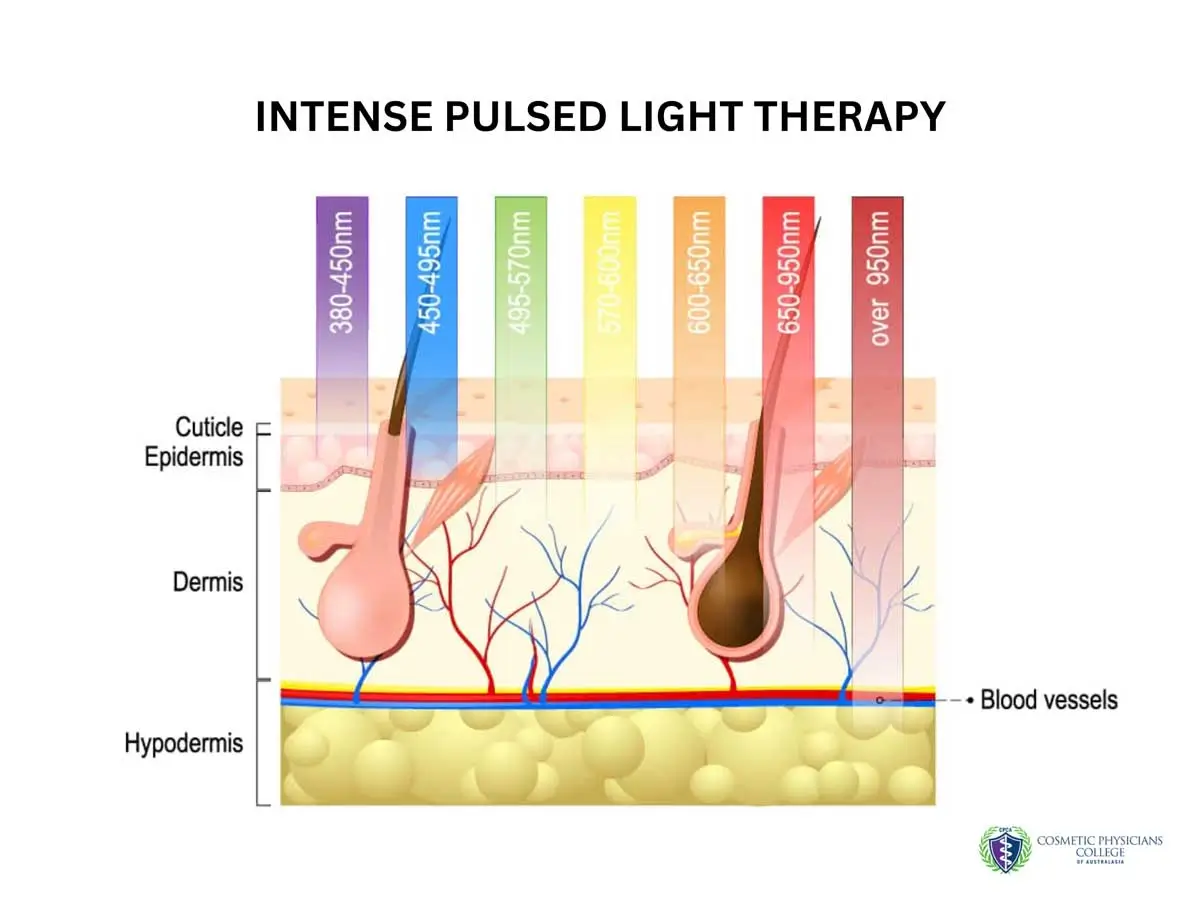
Research suggests that IPL can also promote collagen production in the deeper layers of the skin. This stimulation supports gradual improvement in skin texture, elasticity, and overall tone. In addition, studies have shown its potential benefits for managing periorbital ageing and other chronic conditions. For most patients, the process results in incremental improvements rather than instant transformation, with visible benefits developing across several sessions.
Benefits of intense pulsed light
The appeal of IPL lies in its ability to treat multiple concerns using a single device while remaining non-invasive. Patients generally value its balance between noticeable results and minimal downtime.
Key benefits include:
- Improvement in overall skin clarity and radiance
- Reduction of redness, blotchiness, and facial flushing
- Lightening of pigmentation, freckles, and sun-induced discoloration
- Diminished appearance of fine lines and wrinkles
- Enhanced skin texture through stimulation of cell turnover and collagen production
- Treatment of acne-related redness and scarring
- Use in managing meibomian gland dysfunction, which can reduce symptoms of dry eye
- Supportive role in refractory dry eye treatment protocols
- Long-term hair reduction, particularly effective on lighter skin with darker hair
- Safe for multiple treatment sessions when performed with appropriate parameters
- Short recovery time compared to more aggressive interventions
Taken together, these features highlight IPL’s flexibility and its capacity to address both cosmetic and certain medical concerns within a controlled clinical environment.
What conditions does IPL treat?
IPL therapy is used across a broad spectrum of skin and hair concerns. Its ability to deliver multiple wavelengths of light allows it to target more than one issue in the same session.
Common conditions treated include:
- Sun damage and photo-ageing, including pigmentation and sunspots
- Rosacea and chronic redness
- Broken capillaries and spider veins
- Age spots and uneven pigmentation
- Acne and acne scarring
- General textural irregularities, such as enlarged pores or rough patches
- Stretch marks associated with growth or pregnancy
- Thinning hair on the scalp
- Unwanted hair growth on the face or body
- Supportive treatment for certain eye conditions such as meibomian gland dysfunction, which can help reduce symptoms of dry eye
Through its adaptability, IPL is often used as an alternative to more invasive approaches, providing gradual improvements that complement both medical and cosmetic goals.
What to expect during the treatment process?
Before treatment, you’ll have a consultation where the practitioner assesses your skin type, discusses your goals, and determines the most suitable IPL settings.
On the day of the procedure, the area is cleansed, a cooling gel is applied, and protective eyewear is provided. The IPL device is then moved across the skin in a series of light pulses. Sessions typically take 10–20 minutes for smaller areas and longer for larger zones like the back or legs.
Afterward, the skin may appear pink or slightly swollen, similar to a mild sunburn. Pigmentation, freckles, and sunspots can temporarily darken before fading or flaking within one to three weeks. Most clients can return to daily activities and apply makeup the next day.
IPL vs laser — what’s the difference?
IPL and laser treatments are often grouped together because both rely on light-based energy, but their mechanisms and applications are distinct.
Laser treatments emit a single, focused wavelength of light that penetrates with precision. This makes them highly effective for targeted issues such as deep wrinkles, significant sun damage, or specific scars. Within lasers, two types are commonly used: ablative lasers, which remove outer layers of skin and require longer recovery, and non-ablative lasers, which work beneath the surface with minimal downtime but usually require multiple sessions.
IPL treatments emit a broad spectrum of light in pulses. Instead of focusing on one wavelength, they scatter across the skin, targeting multiple issues simultaneously. IPL is often chosen for treating surface-level pigmentation, redness, broken capillaries, or mild hair removal. Because the light is less targeted, more sessions are typically needed, but the treatment is well-suited for larger or more diffuse skin concerns.
The choice between laser and IPL depends on the depth of the issue, the individual’s skin type, and their willingness to manage recovery time.
Risks and side effects of intense pulsed light therapy
Although IPL is widely used and considered safe when performed by qualified practitioners, it is important to acknowledge potential risks. Most side effects are temporary, but patients should be aware of what may occur during recovery.
Potential effects include:
- Short-term redness or swelling in the treated area
- Mild discomfort or a sensation similar to sunburn
- Temporary darkening or lightening of pigmentation
- Skin peeling or flaking as treated spots heal
- Rare cases of scabbing or scarring, particularly if the device is used improperly
- Increased light sensitivity, requiring strict sun protection and eye shielding
- Possible worsening of dry eye symptoms if treatment is performed too close to the ocular glands
Newer IPL devices often include safety mechanisms that reduce the likelihood of complications, and proper aftercare further supports safe recovery. It remains important that all IPL treatments are carried out by qualified professionals with appropriate medical oversight.
“Intense Pulsed Light (IPL) therapy is a non-invasive cosmetic treatment that should only be performed by trained and experienced professionals. Although IPL procedures may not require a prescription in Australia, they must always follow a thorough medical assessment to confirm the treatment is appropriate and safe for each individual. For optimal safety, the Cosmetic Physicians College of Australasia (CPCA) advises a face-to-face consultation with a doctor trained in cosmetic medicine, ideally a CPCA member. When appropriate, the doctor may delegate IPL treatments to a qualified practitioner, but only under their direct supervision. Clinics operating under proper medical oversight ensure the highest standards in patient care, safety, and results.”
Please contact us by completing the enquiry form below
Frequently asked questions about intense pulsed light therapy
Who is the best candidate for IPL?
IPL is most effective for individuals with light to medium skin tones who struggle with sun damage, hyperpigmentation, visible capillaries, or rosacea. Those with active acne or uneven skin texture may also benefit.
Research comparing narrow and broad-spectrum IPL filters for treating post-acne erythema found both to be effective, with specific advantages depending on the filter used. It’s not recommended for darker skin types due to the increased risk of pigmentation changes. A patch test helps determine suitability for this treatment may vary based on your skin type and condition.
What do you need to prepare for your first session?
Before your first session, avoid the following for at least two weeks:
- Tanning beds or direct sun exposure
- Retinoids, glycolic acid, or exfoliants
- Waxing or chemical peels
- Blood-thinning medications (unless medically necessary)
Clean, makeup-free skin is essential before your appointment. Discuss your medical history and any medications with your practitioner in advance.
How long does the session take?
A typical IPL session takes between 20 to 45 minutes, depending on the size of the treatment area. Smaller zones like the face are quicker. Larger areas, such as the back or chest, may take longer. A full consultation may add time to your initial visit.
How many treatments are required before you see the result?
This depends on the condition being treated and how much improvement is desired. Freckles often only need 1-2 sessions, redness and unwanted hair may need 4-6.
Is IPL treatment painful?
Discomfort levels are minimal. Most clients describe it as a light snap against the skin, similar to a rubber band. Some machines offer a cooling mechanism that reduces sensitivity during the session. For clients with lower pain tolerance, a topical numbing cream may be applied beforehand.
How much does it cost?
IPL costs vary depending on the clinic, treatment area, and the number of sessions required. On average in Australia:
- Small areas (upper lip, chin, under eyes) — $60–$120 per session
- Medium areas (full face, neck, décolletage) — $150–$300 per session
- Larger areas (back, chest, full legs) — $300–$600 per session
Package deals are common and may reduce the cost per session when booking 3 to 6 treatments. Clinics may also offer seasonal promotions or bundle IPL with other skin services.
What should I do after an IPL treatment?
Post-treatment care is essential for proper healing and best results. Here are the things you should do after the session to help recover the skin and prevent the risk of irritation.
- Apply a cold compress to reduce redness
- Use a gentle cleanser and fragrance-free moisturiser
- Avoid sun exposure and use SPF 30+ daily
- Avoid hot showers, saunas, and heavy workouts for 48 hours
- Don’t pick at flaking or peeling skin
Can I wear makeup or go out after an IPL session?
You can apply makeup once redness subsides, usually within a few hours to a day. Avoid heavy foundations that may clog pores. Use mineral-based products if coverage is needed. You can go out, but always apply sunscreen to protect treated areas from UV exposure.
What areas of the body can be treated by IPL?
IPL can be used on any part of the body, although the face is the most common. It can target a variety of skin conditions across multiple areas, including:
- Face (cheeks, nose, chin, forehead)
- Neck and chest
- Hands and arms
- Legs and back
- Bikini line or underarms (if vascular or pigment issues exist)
What can’t IPL treat?
IPL does not address all skin issues or conditions. It is not effective for:
- Deep wrinkles or sagging skin
- Tattoo reduction and removal
- Moles Leg veins or undiagnosed skin lesions
- Treating lentigos (large freckle-like spots) or melasma.
- Raised scars or keloids
- Severe acne cysts Darker skin tones due to risk of hyperpigmentation
Those seeking alternatives to IPL may consider microneedling, chemical peels, or laser and IPL hybrid systems, depending on specific concerns.
Advice for consumers
Read the advice for consumers on the ARPANSA website.