Laser Treatment for Face and Body
Laser treatment in cosmetic medicine involves the controlled use of focused light to address a range of skin and hair concerns. Depending on the device and wavelength, lasers can target specific components within the skin, such as pigment, blood vessels, or water, to produce carefully measured effects. Treatments may be used to reduce pigmentation, redness, acne scars, or unwanted hair, and they can also improve overall texture and tone.
Because every individual’s skin responds differently, results vary and usually require more than one session. A consultation with a qualified professional is essential to determine the most appropriate approach and to ensure that the procedure is safe for your skin type and health profile.
Visible signs of skin ageing, such as lines, wrinkles, and uneven tone, are common across Australia due to high levels of ultraviolet radiation. This process, often called photo-ageing, contributes to pigmentation changes, fine wrinkles, and a roughened surface that topical creams may not fully address.
Advances in laser technology have expanded treatment options, allowing practitioners to deliver energy precisely to targeted areas of the skin. By encouraging controlled renewal, laser treatments can improve the appearance of sun damage and support healthier skin over time. For many individuals, these methods provide a reliable, non-surgical pathway for cosmetic enhancement.
What is laser treatment for cosmetic procedures?
In dermatology, laser treatment refers to the use of focused light energy at specific wavelengths to influence particular structures in the skin. Lasers can selectively target melanin in pigment, haemoglobin in blood vessels, or water within tissue. This selectivity allows for precise treatment with minimal impact on surrounding areas.
When tailoring the wavelength, intensity, and treatment pattern, physicians can address a wide range of concerns including scarring, pigmentation, uneven tone, vascular lesions, and age-related skin changes. This ability to customise therapy is what makes laser treatment a versatile tool in aesthetic and dermatological practice.
How does laser treatment work for the face and body?
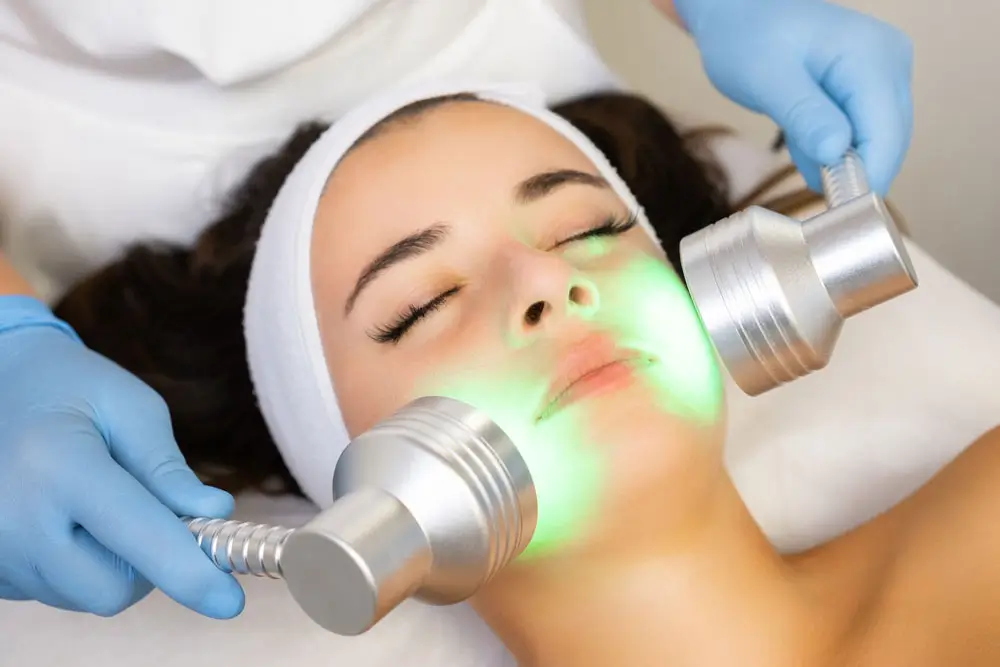
Laser procedures work by directing controlled pulses of energy into the skin. Depending on the device and wavelength, this energy can remove damaged tissue, stimulate collagen production, or trigger new skin growth. The interaction depends on how the laser is absorbed by particular pigments. For example, melanin absorbs certain wavelengths used to treat pigmentation, while hemoglobin absorbs those designed for vascular issues.
On the face, procedures include laser facials, carbon laser peels, and laser skin resurfacing. These treatments are used to reduce uneven tone, brighten dull skin, or remodel acne scars. Some approaches gently remove outer skin layers, while others reach deeper into underlying structures to encourage gradual repair.
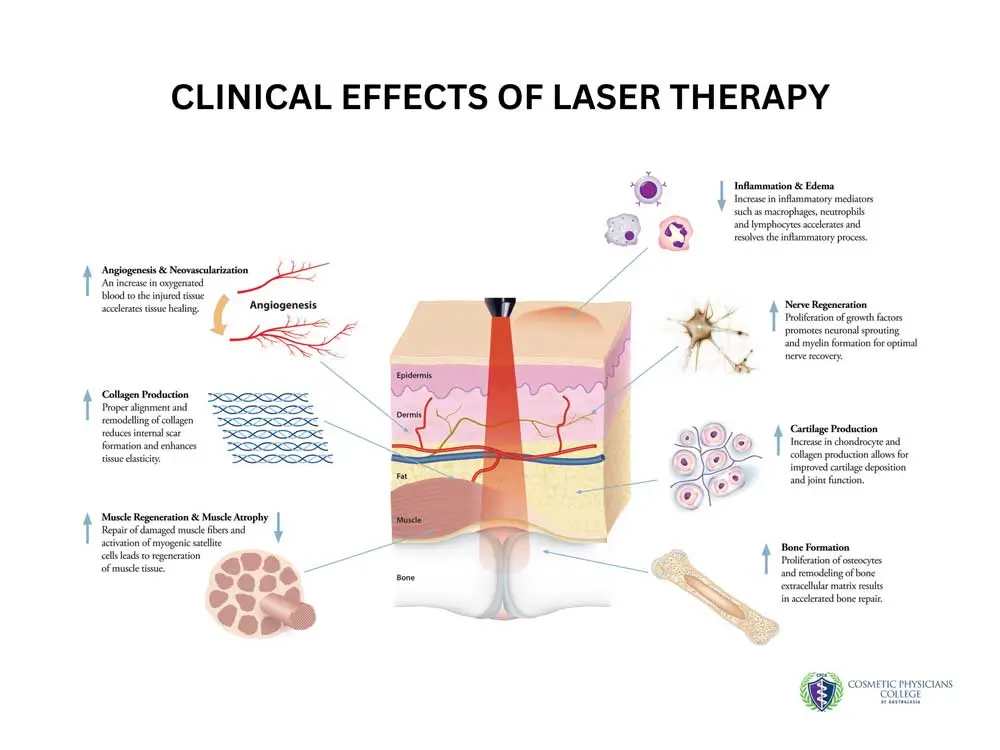
On the body, lasers are most widely known for long-term hair reduction. Devices such as Nd:YAG, Alexandrite, and diode lasers have shown average reductions of 30 to more than 80 percent, depending on the region treated and the device used. In addition to hair removal, body treatments target widespread issues like sun-induced pigmentation, rough texture, or diffuse redness. Stretch marks and scars may also respond, as lasers stimulate collagen to improve skin balance. Vascular lesions on the legs or other areas can be treated with wavelengths that focus specifically on blood vessels.
Benefits of laser treatment for cosmetic procedures
The benefits of laser treatment arise from its ability to deliver targeted energy with precision. Unlike topical products or chemical agents that act broadly, lasers can concentrate on defined areas of concern. This leads to improvements that are both measurable and predictable when performed under proper guidance.
Notable benefits include:
Collagen stimulation for firmer and smoother skin
- Visible softening of fine lines and wrinkles
- Reduction of irregular pigmentation and rough surface texture
- Precise treatment of acne, scars, redness, and vascular lesions
- Long-term reduction of unwanted hair through follicle damage
- Reversal of sun-related skin changes, such as pigmentation and fine lines
- Brightening of dull or uneven skin tone
- Ability to act on targeted tissue while sparing surrounding areas
- Options tailored to both lighter and darker skin tones
- Flexibility to combine with other procedures for enhanced results
Because of these advantages, lasers occupy an important role between non-medical cosmetic treatments and more invasive surgical options.
What conditions does facial and body laser treat?
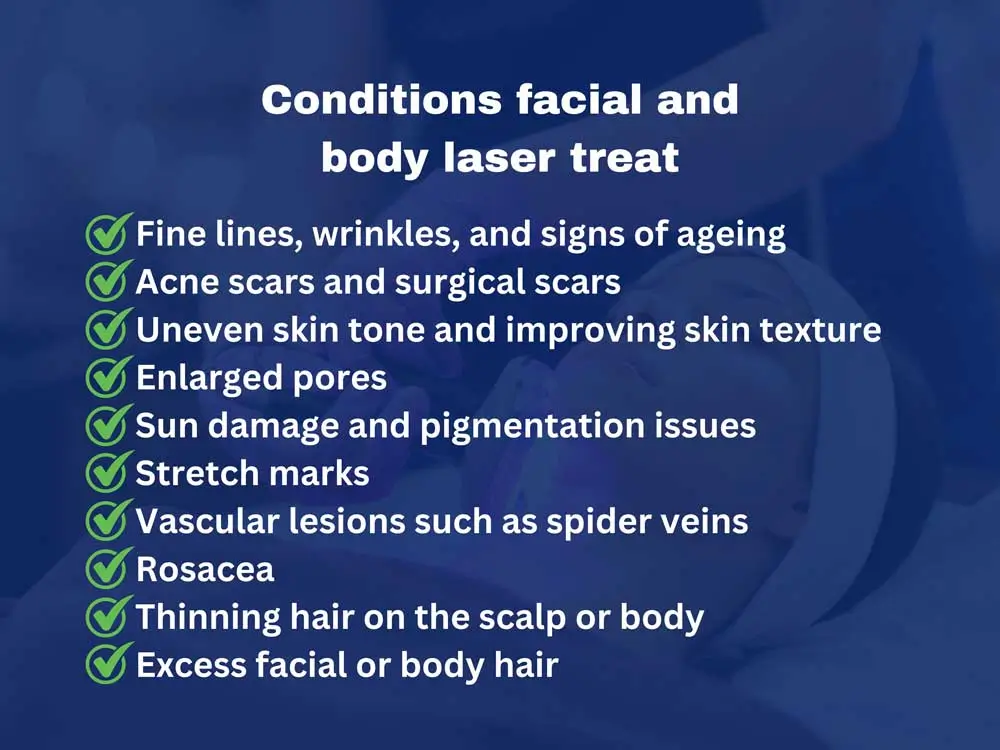
Laser procedures are used to treat a broad spectrum of conditions that affect both appearance and comfort. Conditions commonly treated include:
- Fine lines, wrinkles, and other features of ageing
- Acne scars and post-surgical scars
- Uneven skin tone and irregular surface texture
- Enlarged pores
- Sun damage and related pigmentation issues
- Stretch marks linked to weight changes or pregnancy
- Vascular lesions such as spider veins
- Rosacea and chronic redness
- Thinning hair on the scalp or body
- Excess facial or body hair
For patients who prefer to avoid surgery, these procedures provide non-invasive alternatives while still encouraging meaningful skin improvement.
What to expect during the treatment process?
Each treatment session begins with an assessment and consultation to select the appropriate type of laser resurfacing. The area is cleansed, and protective eyewear is provided. The practitioner then applies the laser in controlled pulses, targeting specific areas based on the treatment plan.
The duration of a session depends on the size and complexity of the region being treated. Small spots may require only a few minutes, while larger areas can take considerably longer. Many devices are paired with cooling systems to reduce discomfort.
Immediately following treatment, patients often notice redness or swelling similar to mild sunburn. Some peeling or temporary sensitivity may also occur. To support recovery, practitioners provide a tailored aftercare plan, which usually includes instructions for skin care and sun avoidance. These steps are essential for both healing and the long-term success of the treatment.
Laser treatment vs IPL — what’s the difference?
Laser treatment and intense pulsed light (IPL) therapy are both non-invasive methods for addressing skin conditions, but they differ in delivery and precision.
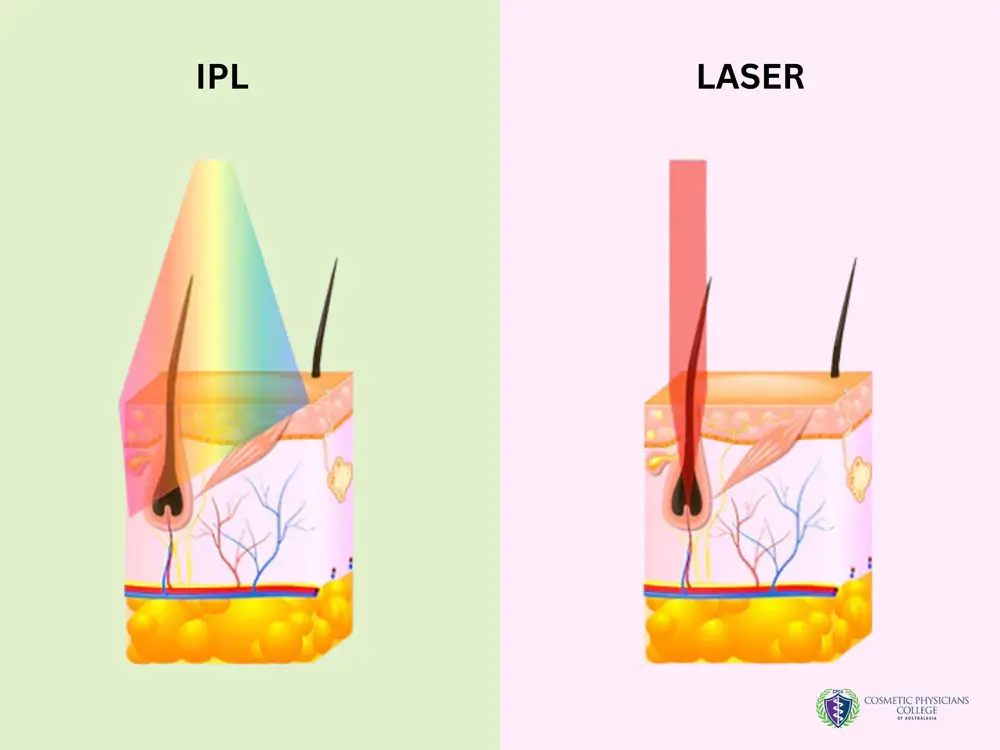
Laser treatment uses a single wavelength of focused light. It penetrates deeper and provides precise targeting for concerns such as scars, pigmentation, or deeper wrinkles. Within this category, ablative lasers remove outer layers of skin, while non-ablative lasers stimulate repair below the surface.
IPL uses broad-spectrum light delivered in multiple wavelengths. It is less precise but useful for widespread issues such as redness, sunspots, or mild pigmentation changes. IPL typically requires more sessions and is best suited for diffuse, surface-level concerns rather than deeper tissue changes.
Choice between the two depends on the individual’s skin type, the condition being treated, and the desired balance between aggressiveness of treatment and recovery time.
Ablative vs non-ablative laser — which one is right for you?
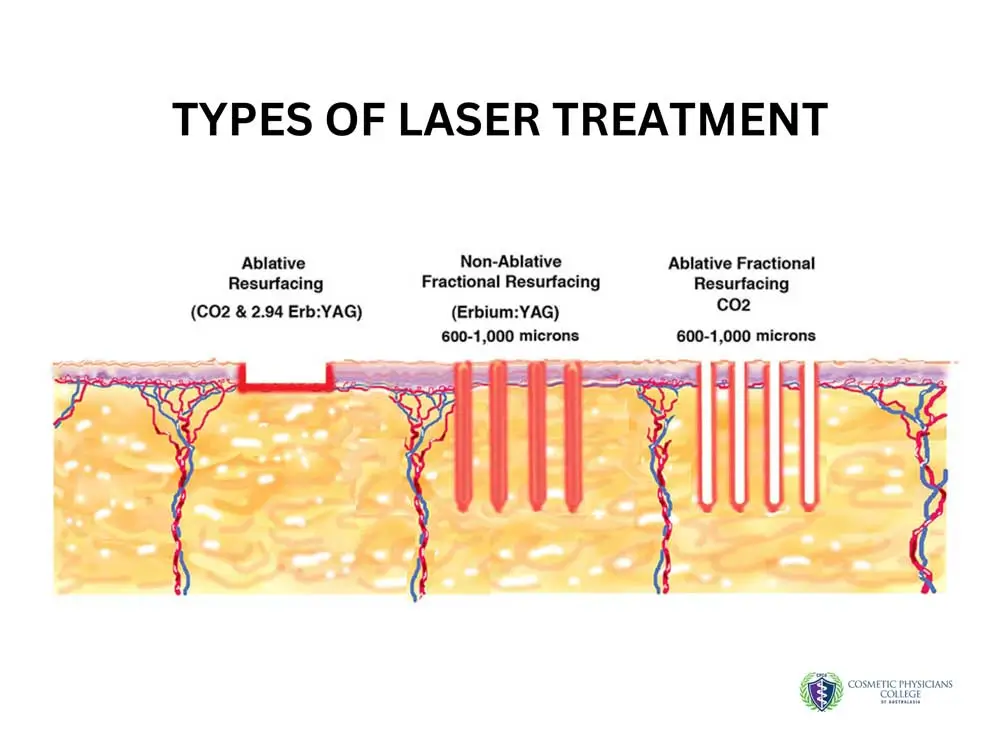
Lasers are divided into two major groups: ablative and non-ablative.
Ablative lasers remove surface layers of skin by vaporising damaged tissue. They are generally used for severe sun damage or deeper wrinkles. Results can be dramatic, but downtime is significant. Patients usually require 7–10 days for recovery, during which the skin may appear raw or feel uncomfortable. Careful aftercare is essential. Typically, only one treatment is needed to achieve visible results.
Non-ablative lasers work beneath the skin surface without removing tissue. They stimulate collagen and elastin production, leading to gradual improvements in tone, texture, and firmness. These procedures often require multiple sessions—commonly five treatments spaced a month apart. An anaesthetic cream is applied beforehand, and the procedure usually takes 15–20 minutes. Redness and warmth are expected afterwards but resolve quickly, allowing most patients to return to daily activities and even apply makeup immediately.
For large surface areas, such as the body, non-ablative lasers are recommended due to their safety profile. While complications are rare, risks such as scarring or pigmentation changes exist, reinforcing the importance of professional supervision.
Risks and side effects of laser treatment
Laser procedures are considered safe when performed by qualified professionals, but risks should not be ignored. Patients should understand the risks before agreeing to treatment.
Potential side effects include:
- Temporary redness, swelling, or mild discomfort
- Skin peeling or flaking during the healing phase
- Increased sensitivity in the treated area
- Hyperpigmentation or hypopigmentation in some patients
- Rare cases of scarring or long-term discoloration
- Risk of infection if aftercare guidelines are not followed
Although these risks are uncommon, proper consultation and medical oversight are essential. In Australia, laser treatment does not require a prescription, but leading organisations recommend face-to-face evaluation by a cosmetic physician. Treatments can be delegated to trained staff, but oversight by a qualified doctor ensures higher standards of safety and consistency.
“Laser treatments are powerful non-surgical solutions for skin rejuvenation, pigmentation, hair removal, and more. Due to their intensity and precision, these procedures must only be performed by qualified professionals following a comprehensive medical assessment. While prescriptions may not be required in Australia, the Cosmetic Physicians College of Australasia (CPCA) strongly recommends a face-to-face consultation with a doctor trained in cosmetic medicine, preferably a CPCA member. Treatments can be delegated to trained practitioners, but only under direct medical supervision. Clinics operating with proper medical oversight offer safer procedures and more consistent, high-quality results.”
Please contact us by completing the enquiry form below
Frequently asked questions about laser treatment
Who is an ideal candidate for laser treatment?
Ideal candidates are those looking to address visible skin conditions like scarring, uneven tone, or thinning hair, without surgery. You should be in good general health, have realistic expectations, and not be prone to abnormal scarring. Certain non-invasive treatments, like non-ablative laser, are also suitable for those with busy lifestyles due to minimal downtime.
Is laser treatment safe for all skin tones?
Yes, but the type of laser matters. Non-ablative laser treatments are generally safer for deeper skin tones, as they reduce the risk of pigmentation changes. Providers must tailor the approach based on melanin levels and skin sensitivity. Clinics experienced in laser skin rejuvenation for diverse tones are best positioned to assess this.
Does laser treatment hurt?
Most patients describe the sensation as a warm snap or mild sting from each pulse. For deeper laser resurfacing, numbing cream or cooling systems are used to reduce discomfort. Skin may feel sunburnt after treatment, but this fades quickly.
How many sessions do you need before you see the result?
Results depend on your goals and the specific laser used. Most skin therapies show visible improvement after 3 to 6 sessions, spaced a few weeks apart. Some see early changes after just one session, especially with ablative laser, but full results develop gradually over time.
Can you get laser treatment if you have acne or active breakouts?
It’s not advised to treat active acne with laser resurfacing, especially ablative laser, as it may irritate inflamed skin. However, non-ablative laser options can support healing and reduce post-acne marks. The provider will evaluate your skin condition before treatment.
How long does it take to recover from laser treatment?
Recovery depends on the laser type. Non-ablative laser treatments typically have little to no downtime. Ablative laser requires a few days to two weeks of healing. During recovery, skin may peel, redden, or feel tight, which are normal signs of renewal.
What should you do post-treatment?
Aftercare is crucial to minimise side effects and protect your skin. Follow your provider’s guidelines, which usually include:
- Keeping the treatment area clean and moisturised
- Avoiding sun exposure
- Using prescribed gentle skincare products
- Not picking or scrubbing peeling skin
- Staying hydrated to support healing
These steps support safe recovery and enhance the effects of treatment.
How do I choose the right provider or clinic?
Look for clinics with certified professionals, up-to-date equipment, and a solid track record treating your skin type. Australian laser clinics with dermatology experience often share before-and-after results to help guide your decision. Reviews, consultation clarity, and hygiene standards are key indicators of quality care. Our CPCA-accredited doctors are trained to perform advanced skin therapies safely and effectively across a wide range of skin conditions.
Are the results permanent?
Laser treatments offer long-lasting benefits but aren’t permanent. Results typically last several months to years, depending on the type of laser, your skincare routine, and how your facial skin responds to skin therapies. Maintenance sessions can prolong the outcome, especially for laser skin rejuvenation and improving skin texture.