Sclerotherapy
Sclerotherapy is a medical procedure used to treat varicose and spider veins without the need for surgery. A fine needle introduces a solution directly into the affected vein, causing the vessel to collapse and eventually fade from view. Circulation is maintained by redirecting blood through nearby healthy veins.
This technique is most often applied to the legs and ankles. It usually requires little or no downtime. While sclerotherapy is considered both safe and effective, more than one session may be required to achieve the desired outcome. An initial consultation is essential to confirm whether the procedure is appropriate for each individual case.
Varicose and spider veins, also known as dilated blood vessels, appear on the surface of the skin as red, blue, or purple lines. They are most common on the legs. These veins may cause discomfort, impair the health of surrounding skin, or simply present a cosmetic concern.
Sclerotherapy allows treatment of vessels of different sizes through the use of injection therapy, reducing the need for surgery in many cases. However, some large veins respond better to procedures such as endovenous laser therapy, medical glue, or minor surgical intervention.
The treatment itself involves injecting a sclerosing solution with a very fine needle directly into the targeted vessel. The practice dates back to the 1920s, but refinements in recent decades have lowered the rate of complications to an acceptable level. The injected solution irritates the inner lining of the vein, causing the walls to stick together and seal closed.
Some veins fade completely by the time bandages are removed, while others gradually disappear over the following weeks. Certain vessels may require retreatment, and some cannot be accessed during a given session. A trained phlebologist determines the appropriate sequence of treatment to achieve the best results.
What is sclerotherapy?
Sclerotherapy is a non-surgical intervention used to treat veins that have become damaged or dysfunctional. This includes spider veins, reticular veins, and small varicose veins. The procedure involves injecting a chemical solution into the affected vein. The solution irritates the vessel wall, leading it to collapse. Once sealed, the vein is absorbed into surrounding tissue and fades from view.
The benefits extend beyond appearance. Many patients experience relief from symptoms such as aching, swelling, burning, or cramping in the legs. Sclerotherapy is often recommended before surgical approaches because it is minimally invasive and has a proven track record. Treating poorly functioning veins also lowers the risk of complications such as skin changes, inflammation, or ulceration associated with poor circulation.
How does sclerotherapy treatment work?
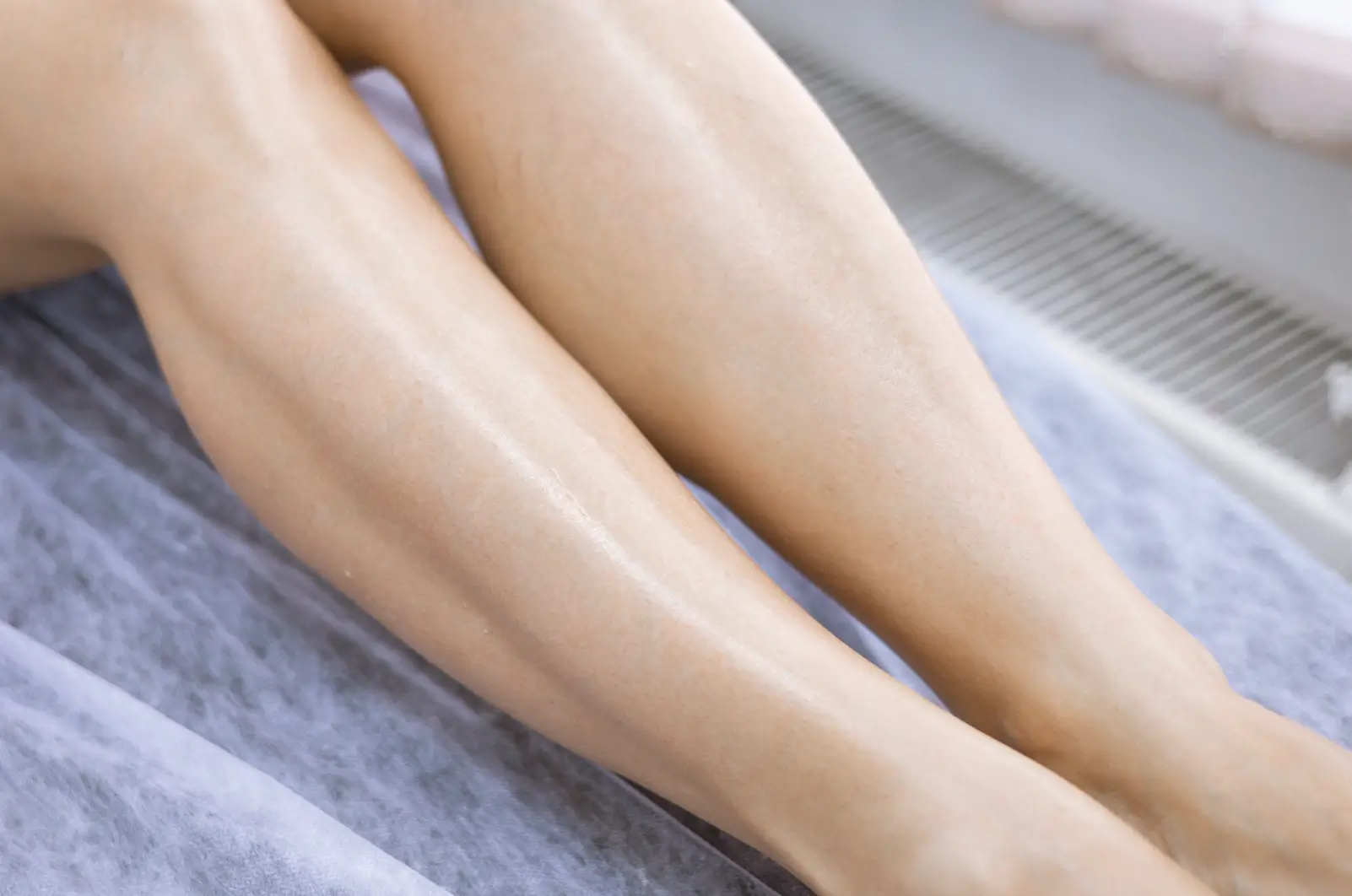
Sclerotherapy collapses diseased veins internally by means of an injection. A trained cosmetic physician or medical professional injects a sclerosant solution, either in liquid or foam form, into the targeted vessel. The solution irritates the inner lining, which swells and closes. Once closed, blood flow continues through adjacent healthy veins.
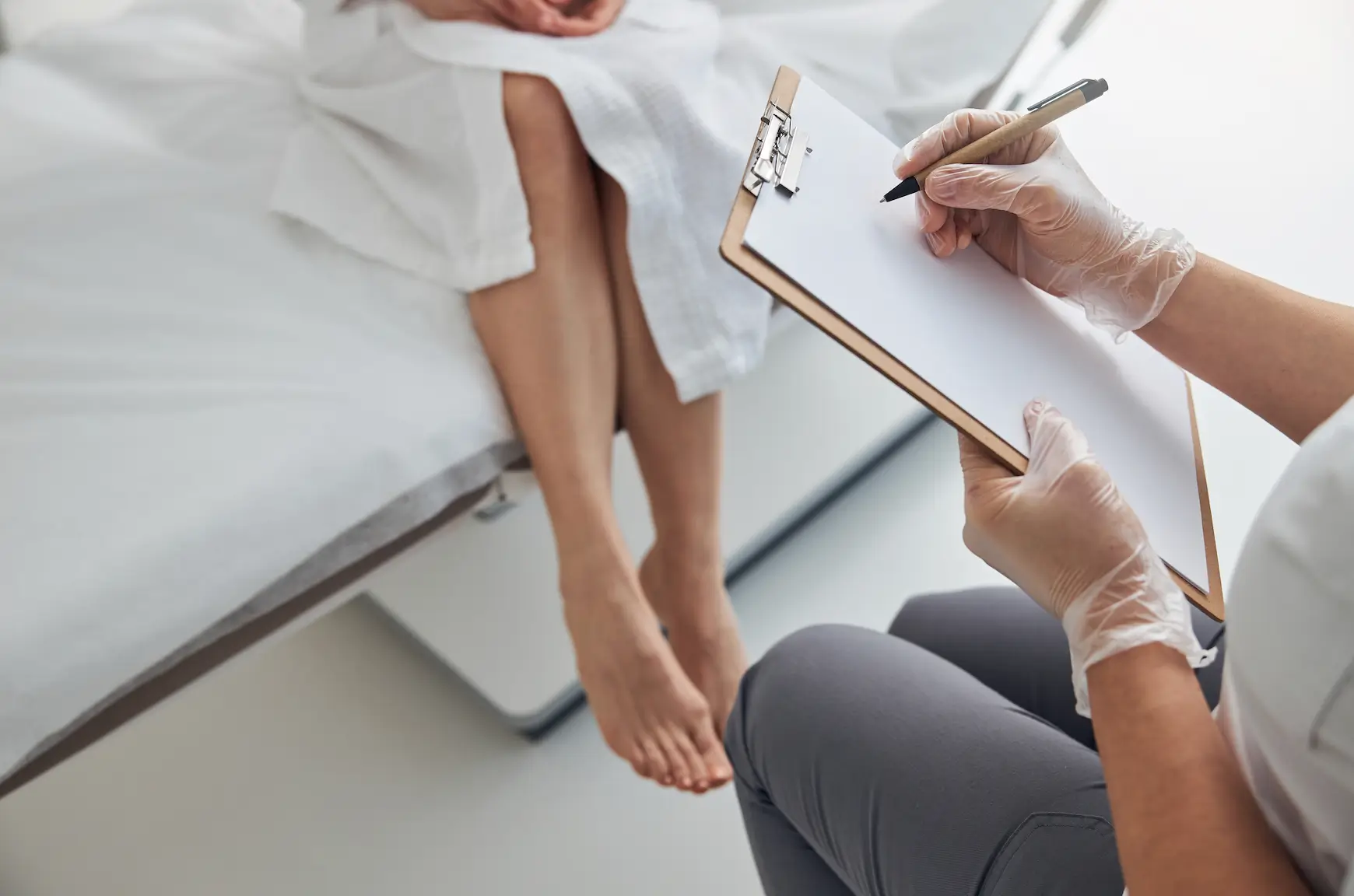
For deeper veins not visible on the surface, ultrasound imaging may be used to guide the needle with precision. This approach, called ultrasound-guided sclerotherapy, improves both accuracy and safety. After the procedure, patients are often advised to wear compression stockings. The external pressure reduces inflammation, prevents pooling of blood, and supports faster absorption of the closed vessel.
Mild discomfort or bruising around the injection site may occur but usually resolves within a few days. Multiple sessions may be necessary, depending on the number, size, and type of veins requiring treatment.
What types of veins does sclerotherapy treat?
Sclerotherapy can treat several categories of abnormal veins. Suitability depends on the characteristics of the vein, including size, location, and connection to surrounding vessels, as well as the overall health of the patient.
Spider veins
Spider veins are thin, superficial vessels that form just beneath the skin. They often appear on the thighs, calves, or ankles. Though generally painless, they may cause cosmetic concern. Sclerotherapy closes these veins, leading them to fade gradually over several weeks. Best results occur when compression garments are worn after treatment and when activity guidelines are followed. Because new spider veins may form over time, particularly in predisposed individuals, follow-up sessions may be needed.
Small varicose veins
Small varicose veins are larger than spider veins but less prominent than advanced varicosities. They may bulge slightly and cause aching or heaviness in the legs. Sclerotherapy can relieve both cosmetic and physical symptoms associated with this group of veins. Treating them helps prevent disease progression and maintains long-term vascular health. Because they are often close to the surface, direct injection under visual guidance is typically sufficient.
Reticular veins
Reticular veins are larger than spider veins but do not protrude like major varicosities. They often appear bluish or green beneath the skin. These veins frequently act as feeder vessels to spider veins, so treating them reduces the recurrence of smaller visible vessels. Reticular veins are often found on the outer thigh, behind the knee, or near the ankle. While they may not cause symptoms themselves, addressing them improves both medical and cosmetic outcomes.
What are the benefits of sclerotherapy?
Sclerotherapy is a minimally invasive approach for treating problematic veins. It has become a preferred method for treating varicose veins, particularly those not affecting deep veins and arteries.
But, like any medical procedure, it offers advantages and limitations. Weighing both helps patients decide if sclerotherapy suits their condition.
- Effective treatment of spider veins, reticular veins, and small varicose veins.
- Avoidance of general anaesthesia or surgical procedures.
- Relief from symptoms such as aching, heaviness, swelling, or burning.
- Treatment that can be tailored to both surface and deeper branches.
- Potential combination with other therapies for more complex cases.
- Rapid return to normal activities with minimal downtime.
- Long-term management through repeat treatments when necessary.
- Support for vascular health by addressing abnormal circulation early.
What to expect during and after a sclerotherapy
Preparation begins with a consultation. The physician will review medical history, current medications, and circulation health to confirm eligibility. During the session, the sclerosant solution is injected into the targeted veins. The solution irritates the lining of the vessel, causing collapse and eventual absorption.
The procedure typically takes less than an hour. The number of injections depends on the number of veins being treated. After treatment, patients may experience bruising, swelling, or itching around the injection sites. These effects are temporary and usually resolve within days. Compression stockings are often recommended to aid healing and improve circulation.
Some veins may initially appear darker or more prominent before fading. Results become clearer over the following weeks. Depending on the number and size of veins, follow-up sessions may be necessary.
Pros and cons of sclerotherapy
Sclerotherapy is a minimally invasive approach for treating problematic veins. It has become a preferred method for treating varicose veins, particularly those not affecting deep veins and arteries.
But, like any medical procedure, it offers advantages and limitations. Weighing both helps patients decide if sclerotherapy suits their condition.
Risks and side effects of sclerotherapy
Like all medical treatments, sclerotherapy is a highly effective option, but not without risks. Even when a highly experienced doctor is performing the treatment, there are a number of possible side effects, most of which are minor and temporary.
Complications are rare but can occur, especially when treating deep vein disorders or patients with complex vein conditions. Being aware of the possible outcomes allows you to make an informed choice and manage expectations. The most serious side effect is an allergy to the solution used, which may require medication and cause discomfort.
- Skin irritation and bruising are common, and the bandaging required post-treatment is inconvenient. Bandages are generally worn for one week following treatment, but normal activity should continue.
- Inflammation around structures such as deep veins, though uncommon, may arise.
- Temporary discolouration or matting on the skin. The most serious side effect is an allergy to the solution used, which may require medication and cause discomfort.
- Severe allergic reactions are rare on a worldwide scale.
- Blood clots in rare instances involving deep veins and arteries.
- Pain or hardening in the area where the veins were treated by injection.
- Potential for ulcers or sores in sensitive skin zones.
- Treated veins may sometimes reopen if the causes of the vein are not addressed.
- Delayed healing in certain small saphenous veins.
If you wish to have surface veins treated on your legs, you should seek out a doctor experienced in Phlebology to ensure you have the best treatment.
Sclerotherapy vs laser vein treatments: what’s the difference
Sclerotherapy and laser vein treatments are both widely used to address abnormal veins, but they work in different ways. Sclerotherapy involves injecting a chemical solution that irritates the vein lining, causing the vessel to collapse and eventually be absorbed. Laser treatment uses focused light energy to heat and seal the vessel from the outside.
Spider veins often respond well to laser therapy, especially in patients with very fine superficial vessels. Sclerotherapy is usually preferred for larger or symptomatic veins, where injections provide a more direct and lasting effect. Laser treatments avoid needles and chemicals, which some patients prefer, but may lead to temporary skin discolouration. Sclerotherapy can be more cost-effective and is often repeated for long-term management.
The choice between the two depends on vein size, location, skin type, and overall vascular health. Both methods aim to close abnormal veins and allow them to fade over time. Professional assessment ensures the most appropriate treatment for each individual case.
“Sclerotherapy treatments are classified as medical procedures in Australia. By law, they must be prescribed by a doctor for an individual patient and specific treatment area. For your safety, the CPCA recommends ensuring you have a face-to-face consultation with a doctor trained in cosmetic or vascular medicine, such as a CPCA member. The doctor may choose to delegate the procedure to a properly trained nurse under their supervision. Only a doctor is authorised to prescribe and oversee Sclerotherapy treatments.”
Please contact us by completing the enquiry form below
Frequently asked questions about sclerotherapy
How many sessions will I need?
The number of sessions varies depending on the size and number of veins being treated. Some people see improvement after one session, while others may require two to four treatments spaced several weeks apart. A follow-up consultation will determine if additional sessions are necessary.
How long does it take to see results from sclerotherapy?
Visible improvement often begins within three to six weeks for smaller veins. Larger veins may take several months to fade. Final results depend on the body’s natural ability to absorb the treated veins over time.
Is sclerotherapy safe for everyone?
While generally safe, sclerotherapy may not be suitable for people who are pregnant, have certain blood clotting disorders, or are allergic to the solution used. Before any treatment, an assessment is conducted by our accredited doctors from the Cosmetic Physicians College of Australasia (CPCA) to confirm medical suitability and tailor the approach to individual needs.
Who’s a good candidate for sclerotherapy?
Ideal candidates are those with small to medium varicose or spider veins who are in good overall health and not currently pregnant. It’s also important that the veins being treated are not required for future bypass surgery.
Does sclerotherapy permanently remove veins?
Treated veins typically do not return, as they are closed off and absorbed by the body. However, new veins can develop over time, especially if the underlying causes remain unaddressed. Maintenance treatments may be needed.
Will sclerotherapy help with leg pain or just cosmetic issues?
In addition to improving appearance, sclerotherapy can relieve symptoms such as aching, swelling, and heaviness in the legs caused by problematic veins. It is not purely cosmetic.
Is it painful?
Most people experience only mild discomfort during the injection. They often described it as a slight sting or cramp. Any post-treatment soreness is usually minimal and short-lived.
Can I go back to work after the treatment?
Yes, most people return to work and normal activities on the same day. It’s recommended to avoid strenuous exercise for a few days. But walking is encouraged to aid circulation.
What should I avoid after sclerotherapy?
Avoid hot baths, saunas, sun exposure, and vigorous exercise for at least 48 hours after treatment. Compression stockings may be recommended to support healing and improve results.