
Platelet-Rich Plasma Therapy
Platelet-rich plasma (PRP) therapy uses your own blood to help repair and renew tissue. It is most often applied to skin, hair, and joints. A small sample of blood is taken, similar to a routine test, and then placed in a centrifuge. This process separates the platelets from the other components. The concentrated plasma, rich in growth factors, is then injected or applied to the treatment area to stimulate repair and regeneration.
Because the material is derived from your own body, PRP carries a very low risk of allergy or rejection. Results vary between individuals, and more than one treatment is usually needed before clear changes are visible.
Platelet-rich plasma therapy has gained recognition across medical, cosmetic, and sports medicine fields. Supported by growing research, it offers a regenerative approach that draws on the body’s natural healing mechanisms to repair tissue, reduce inflammation, and support recovery. A small sample of blood is processed to concentrate the platelets and then reintroduced to the target area. Rich in growth factors, this serum has been linked with improvements in musculoskeletal injuries, hair restoration, skin quality, and post-surgical recovery.
What is platelet-rich plasma?

PRP therapy is a form of regenerative medicine that makes use of the body’s natural repair mechanisms. Blood consists of several components: red blood cells, white blood cells, plasma, and platelets. Platelets are best known for their role in clotting, but they are also a rich source of growth factors and signaling proteins that stimulate cell repair, promote the formation of new blood vessels, and enhance tissue regeneration.
In the context of aesthetic medicine, PRP is often used to support the skin’s natural ability to repair itself. By stimulating collagen production, PRP can lead to smoother skin texture, improved firmness, and more even skin tone. This has made it a popular option for people seeking to reduce fine lines, wrinkles, acne scarring, and early signs of sun-related damage. Because the treatment uses autologous material, meaning it comes from your own body. It is generally well-tolerated and poses little risk of allergic reaction.
PRP can be administered as a stand-alone procedure or combined with other techniques such as microneedling or laser resurfacing for enhanced results. It is also sometimes used to accelerate healing following other dermatologic or surgical procedures. That said, PRP may not be appropriate for everyone. Individuals with certain blood clotting disorders, active infections, or chronic liver disease may be advised to avoid the treatment. A consultation with a qualified physician is essential to determine if PRP is suitable for your needs.
How does PRP treatment work and what’s involved?
PRP therapy is designed to stimulate the body’s natural healing cascade. Once blood is drawn, it is processed in a centrifuge that separates plasma and concentrates the platelets. This concentrated plasma is then activated, which causes the platelets to release growth factors and other bioactive proteins. These molecules signal nearby cells to regenerate, repair, and produce new collagen.
Depending on the treatment area and goals, the platelet-rich plasma can be delivered in several ways:
- Superficial injections: Tiny needles are used to place PRP just beneath the skin, allowing growth factors to diffuse into the upper layers where fine lines and textural changes occur.
- Deeper injections: A blunt-tipped cannula (tube) may be used to deliver PRP into tissue layers beneath the skin, supporting repair in deeper structures such as ligaments or joints.
- Adjunct to procedures: PRP is frequently paired with treatments like microneedling, chemical peels, or laser resurfacing to encourage faster healing and optimize results.

A typical session takes around 10–20 minutes for smaller areas, while larger regions such as the scalp or knees may require more time. Discomfort is usually mild, often described as a brief stinging or pressure at the injection sites. Some patients experience redness, swelling, or mild bruising, which usually resolves within a few days. Most individuals can return to normal daily activities right away, although vigorous exercise is often postponed for 24–48 hours.
Treatment outcomes differ from person to person. Improvements in skin quality may appear within weeks, while benefits for joint conditions or tendon injuries can take longer, sometimes several months, to fully develop. Multiple sessions are often recommended to achieve optimal and longer-lasting results.
What are the benefits of platelet-rich plasma treatment?
PRP therapy has become widely recognized in medical, aesthetic, and sports medicine settings because it leverages the body’s natural healing potential without introducing foreign substances.
Some of the most common benefits include:
- Natural and biocompatible: Since PRP is derived from your own blood, the likelihood of adverse immune reactions or allergies is minimal.
- Applicable to all skin types: PRP is suitable for diverse skin tones and textures.
- Skin rejuvenation: Stimulates collagen and elastin production, helping to smooth fine lines, reduce wrinkles, and restore firmness.
- Improved complexion: Enhances skin tone and texture, often reducing the appearance of scars, including acne scars.
- Faster recovery: Supports tissue repair following procedures such as chemical peels, microneedling, or laser treatments.
- Joint support: Shown to reduce pain and improve function in osteoarthritis and sports-related joint injuries.
- Tendon and muscle repair: Promotes healing in conditions like tennis elbow or chronic tendon inflammation.
- Hair restoration: Stimulates dormant hair follicles, helping to slow thinning and improve hair density over time.
While not a cure-all, these combined benefits make PRP a versatile option for patients seeking minimally invasive ways to support tissue repair and maintain a healthy, more youthful appearance.
Top use cases of PRP
Platelet-rich plasma (PRP) therapy has gained attention across medical, dental, and aesthetic fields. PRP products have become central in various clinical applications due to the biological advantage of PRP over conventional treatment options.
Hair restoration
PRP is increasingly used to manage hair loss, particularly androgenetic alopecia (pattern baldness). Injections of platelet-rich plasma around hair follicles may improve blood supply, stimulate cell activity, and encourage thicker, healthier hair growth. For many individuals, a series of treatments leads to noticeable improvements in density and reduced shedding.
Skin rejuvenation
Aesthetic dermatology widely adopts the use of PRP for facial rejuvenation.
Often marketed as “vampire facials”, PRP is used to improve skin texture, tone, and elasticity. These treatments help address wrinkles without the need for anti-wrinkle injections, acne scars, fine lines, and uneven pigmentation.
When PRP is prepared, it’s typically injected into or applied topically on the skin using microneedling to enhance absorption.
Joint and tendon injury healing
In orthopaedics and sports medicine, PRP injections are delivered directly into joints affected by osteoarthritis, or into damaged tendons and ligaments. Studies suggest PRP may help decrease inflammation, alleviate pain, and promote tissue repair. Conditions such as tennis elbow, jumper’s knee, and rotator cuff injuries are among those most often treated.
Dental and post-surgical applications
Dentists and oral surgeons use platelet-rich plasma to treat bone graft sites, periodontal defects, and extraction sockets. The clot formation encouraged by PRP supports faster healing. Similarly, PRP during surgery has been applied in spinal fusions, facial reconstruction, and cosmetic procedures. Surgeons prefer PRP for its role in reducing recovery times and post-operative discomfort.
What’s the difference between PRP and PRF?
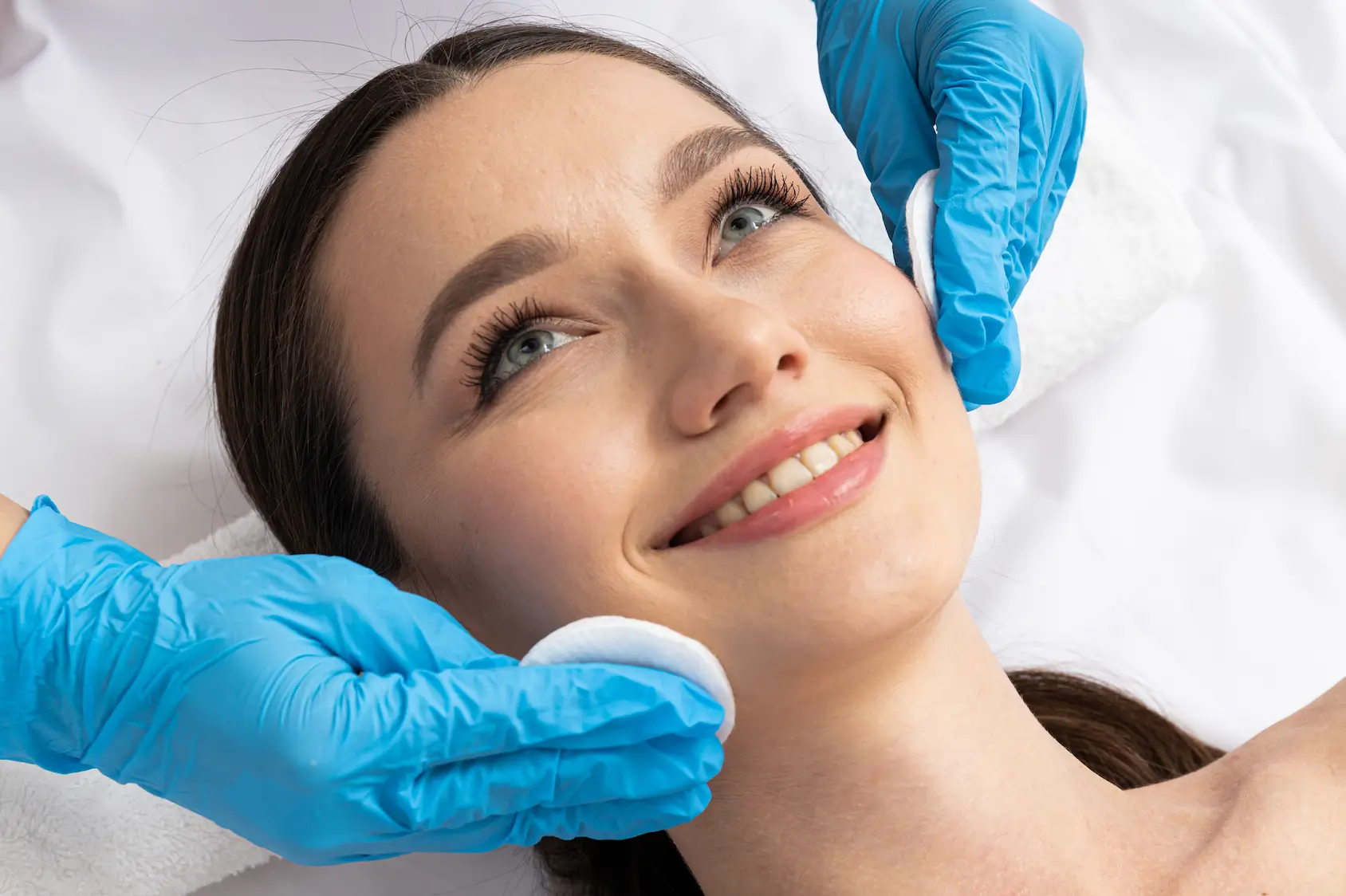
Understanding the difference between PRP and platelet-rich fibrin (PRF) is key for choosing the right regenerative treatment. While both derive from blood and contain healing components, their preparation methods and biological behaviour differ significantly.
Preparation and composition
To prepare PRP, blood is centrifuged to isolate platelets from other components, producing autologous platelet-rich plasma. This process typically requires anticoagulants to prevent clotting. In contrast, PRF is obtained without anticoagulants. The absence of these chemicals allows the natural formation of a clot, creating a fibrin matrix rich in platelets and leukocytes. Because PRF forms a gel-like substance, it acts as a slow-release system for growth factors. PRP, being in liquid form, offers faster but shorter-term effects. The inclusion of platelet-poor plasma in PRP preparation is also sometimes adjusted based on therapeutic needs.
Clinical applications
PRP therapy is still widely applied in orthopaedics, aesthetics, and surgery due to its versatility. Licenced cosmetic physicians use injections to deliver concentrated healing agents directly to injured tissues. For PRF, the fibrin matrix provides structural support, making it ideal for dental implants, sinus lifts, and graft stabilisation. Both are blood injections, but their mechanisms of action and clinical outcomes can vary.
Efficacy and use cases
Research has found that PRP can be more effective in wound closure and other conditions due to its rapid action. However, PRF is preferred when a longer release of growth factors is beneficial. For instance, in the treatment of tendons and muscles using platelet-rich formulations, PRP may act faster, but PRF maintains a prolonged regenerative environment. While comparing platelet-rich plasma optimises healing in acute injuries, PRF may better support bone and soft tissue healing over a longer period. Clinical decisions often weigh the effectiveness of PRP versus PRF based on patient condition, desired outcome, and procedural type.
What to expect during and after a PRP treatment
A PRP session begins with a small blood draw, similar to a routine lab test. The blood is processed in a centrifuge to separate the platelet-rich plasma, which is then reintroduced into the target area via injections or, in some cases, applied topically. For joint-related concerns, ultrasound or other imaging may be used to guide placement.
The procedure itself is typically brief. Treating a small facial area may take 10–20 minutes, while larger areas, such as the scalp or joints, may require more time. Most people describe the injections as mildly uncomfortable, with some temporary redness, swelling, or tenderness afterward. These effects usually resolve within a few days.
Results are gradual. For skin rejuvenation, improvements in tone and texture can become visible after several weeks. In cases such as arthritis, symptom relief may take longer, and a series of sessions is often recommended. Tendon or muscle injuries may require months of healing, during which PRP works to stimulate repair and reduce inflammation. Patients can typically resume daily activities immediately, though strenuous exercise is often delayed for a short period.
Risks and side effects of platelet rich plasma
Because PRP is made from your own blood, it generally carries a low risk of allergic reaction. Nonetheless, as with any procedure involving injections, some mild and temporary effects are common:
- Redness or swelling around the treated area
- Minor bruising or pinpoint bleeding at injection sites
- Temporary tenderness or warmth in the skin or joint
- Serious complications are uncommon but can include:
- Infection at the injection site
- Formation of a hematoma (a collection of blood beneath the skin)
- Reactivation of cold sores when treatment is applied near the mouth
These possibilities should be reviewed carefully with a qualified practitioner before deciding whether PRP is appropriate.
“Platelet-Rich Plasma (PRP) treatments are considered medical procedures in Australia. By law, they must be prescribed by a doctor for an individual and a specific treatment area. For your safety, the CPCA recommends having a face-to-face consultation with a doctor trained in cosmetic medicine, such as a CPCA member. The doctor may delegate the procedure to a properly trained nurse working under their supervision. Only a doctor is authorised to prescribe and oversee PRP treatments.”
Please contact us by completing the enquiry form below
Frequently asked questions about platelet rich plasma
How many PRP treatments are needed to see results?
A minimum of three treatment sessions is recommended for visible results, performed 3-4 weeks apart.
Most patients notice some improvement after 6 weeks, and especially after 3 months. How much improvement you see and how long these results will last depend on the individual and other factors such as age, general health, skin health, sun damage, and smoking.
Longer-lasting results can be achieved with good skin care and sun protection post-treatment. Maintenance treatments can be done every 6-12 months.
Is PRP natural?
Yes. Platelet-rich plasma (PRP) is considered natural because it is derived from the patient’s own blood. After a small blood draw, the sample is processed to concentrate the platelets, which contain growth factors that promote tissue repair.
This autologous platelet-rich plasma is then reintroduced into the body to support regeneration.
Is PRP TGA-approved?
The Therapeutic Goods Administration (TGA) does not regulate PRP as a drug, since it is an autologous biological product.
However, devices used to process and prepare PRP must meet TGA standards. Clinics offering PRP should comply with local healthcare guidelines and operate under approved protocols.
Can I do it at a med spa?
PRP treatments may be offered at some med spas, but the procedure should always be conducted under the supervision of a qualified medical professional.
Since injections are used and blood is processed, there are clinical risks that require proper medical handling. It’s important to verify the credentials of the practitioner and the clinic’s compliance with safety standards.
Who is a good candidate for PRP?
Good candidates for PRP include individuals seeking treatment for hair loss, signs of ageing, knee osteoarthritis, tendon injuries such as tennis elbow, or skin rejuvenation.
The best outcomes are often seen in patients with mild to moderate conditions. Those with blood disorders, active infections, or who are taking anticoagulants may not be suitable candidates and should consult their healthcare provider.
Is PRP the same as stem cell therapy?
No. While both are regenerative treatments, PRP and stem cell therapy are not the same. Platelet-rich plasma optimises healing through growth factors, but it does not contain stem cells.
Stem cell therapy involves harvesting undifferentiated cells that can develop into different tissue types. The procedures, benefits, and regulatory frameworks differ significantly.
Is platelet-rich plasma painful?
PRP involves a blood draw and injections to help deliver platelets into the targeted area. Discomfort is usually mild and temporary. Most patients report a sensation similar to other routine injections. Local anaesthesia or topical numbing agents are often used to minimise pain during the procedure.
Can I combine PRP with microneedling and other treatments?
Yes. Microneedling with PRP can enhance skin rejuvenation. It can also be integrated with laser therapy or dermal fillers, depending on the treatment goals.
However, the sequence and compatibility of treatments should be evaluated by a qualified practitioner to prevent adverse interactions and optimise results.
How do I choose the right healthcare provider for PRP?
Choose a provider with medical qualifications, experience in PRP in the treatment of your specific condition, and access to approved PRP processing systems. CPCA-accredited doctors are qualified to perform PRP procedures and follow rigorous standards for patient safety and clinical efficacy.
Look for clinics that provide thorough consultations, explain potential side effects of PRP, and tailor treatments based on clinical evidence. Transparency, safety protocols, and professional integrity should guide your decision.